Understanding history and politics through architecture – Plattenbau estates in Magdeburg Neue Neustadt
Majbrit Hüttenhein
Architecture and the buildings around us reflect and affect our lives every day. Our houses, the places we spend our free time, and the way to the bus – all these shape the way we perceive our world and constitute images of the political world we live in. At the same time, the political views held by societies and regimes, their ideals and wishes, shape (city) architecture (Minkenberg, 2014; Barnstone, 2006). This relationship is constantly discussed and re-evaluated; buildings evolve and political priorities change. These dynamics can be observed in the cities we live in, which make them witnesses of history, political change, and contemporary lifestyles. This photo essay gives insights into the architecture of Magdeburg’s district Neue Neustadt, which is situated in the northern center towards the city’s outskirts.
At the end of World War II, Magdeburg, like many other cities in Germany, was almost completely destroyed. Many people were homeless and needed new residences quickly. Magdeburg, located in East Germany, fell under Soviet Rule and was part of the German Democratic Republic (GDR). The socialist regime faced a housing crisis while at the same time having a small budget to facilitate new housing and rebuild destroyed cities. “Plattenbau” buildings were built all over the country since the mid-1950s as a cheap way to create many new flats at once (Hofmann, 2024). The rectangular buildings are mainly made out of concrete slabs and characteristically have many stories. They are relatively easy to build since the pre-manufactured concrete slabs only have to be put together on-site, which gives all of them a very similar block-like look. During the time, Plattenbau corresponded to the zeitgeist as well as to the political ideology of the socialist government. The buildings presented something modern and new, different from the destroyed old buildings in the city center that were then abandoned and in need of pricey renovation. Plattenbau meant embarking on a prosperous future with living space for everyone, including electricity and hot water. The estates featured everyday infrastructure like markets, doctors, as well as childcare facilities, and were an expression of the socialist lifestyle (Richter, 2006). The uniformity of the buildings coincided with the socialist ideals of not being able to derive a person’s status from their home. Over time, houses gained more and more stories, and buildings were placed close to one another to accommodate as many people as possible. The many flats and straight passages thus created an almost panoptic way of public surveillance.
After the collapse of the Soviet Union and Germany’s reunification in 1990 zeitgeist and political ideas shifted. People started to seek individuality, and the once novel style of construction was increasingly considered ugly and hostile to life, with its high, uniform facades that do not allow for much sunlight to reach the ground, creating a sometimes even intimidating atmosphere, which was also mocked by West German media (Richter, 2006). In recent years, city administrations and housing cooperatives have renovated many Plattenbau buildings, which are still considered useful and necessary to accommodate the increasing population in cities (Ottersbach, 2023). In Magdeburg, facades began to be renewed and splashed with color and artwork as an attempt to bring change, individuality, and new life to the districts. Magdeburg Neue Neustadt showcases a fascinating example of tracing (East) Germany’s post-war history through architecture. Contrasts abound: renewed Plattenbau buildings stand beside older ones now serving as social housing, small detached houses sit in the shadows of high-rise buildings, and processes of change and renewal coexist with enduring GDR memories. The city’s architecture opens a window to its past and present to those who observe curiously.
PART I – LOOKING AROUND
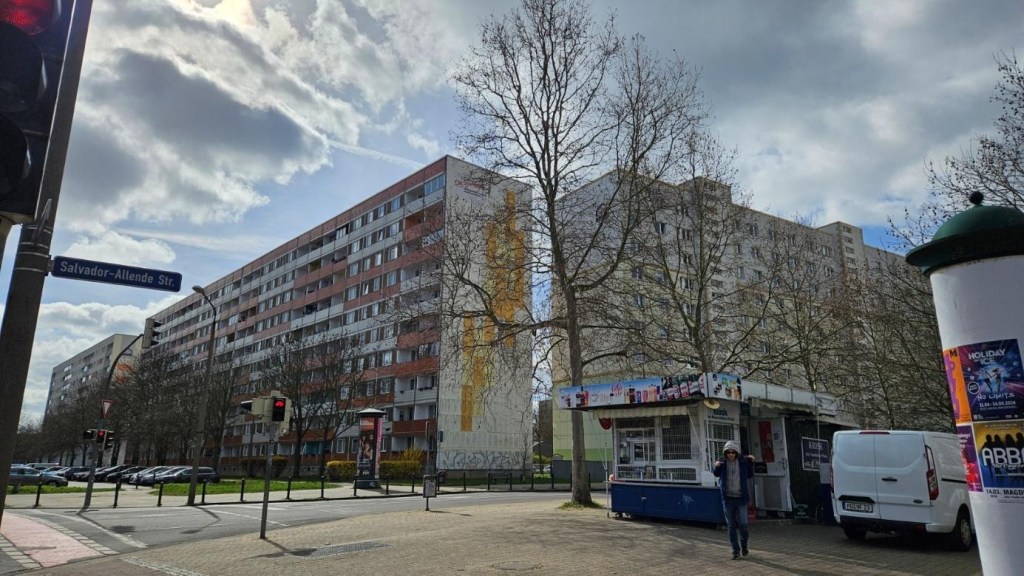
Figure 1: Sundays in Neue Neustadt, Magdeburg Neue Neustadt, 2024
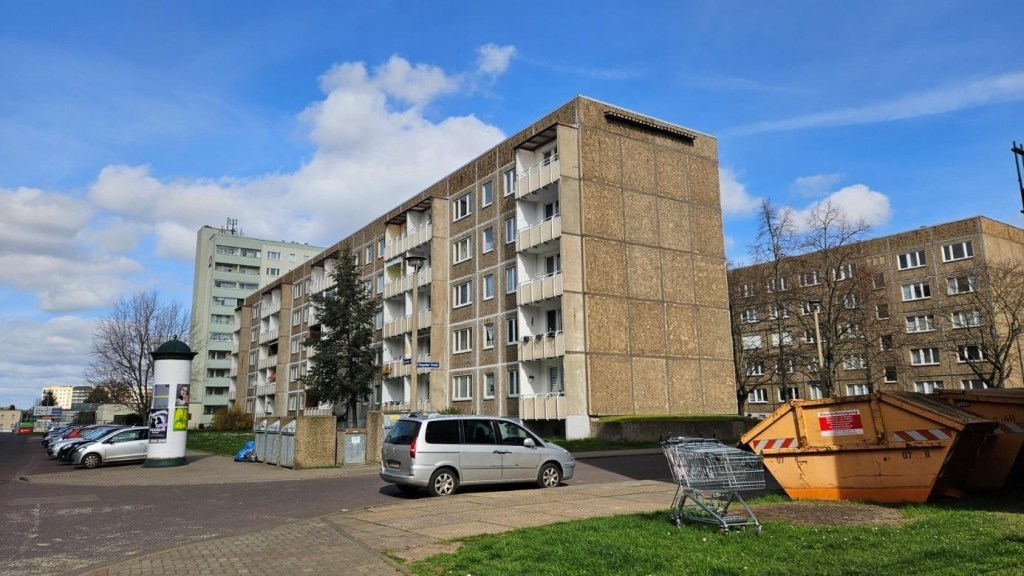
Figure 2: Houses can talk. Older Plattenbau estate, partly Social Housing, Magdeburg Neue Neustadt, 2024
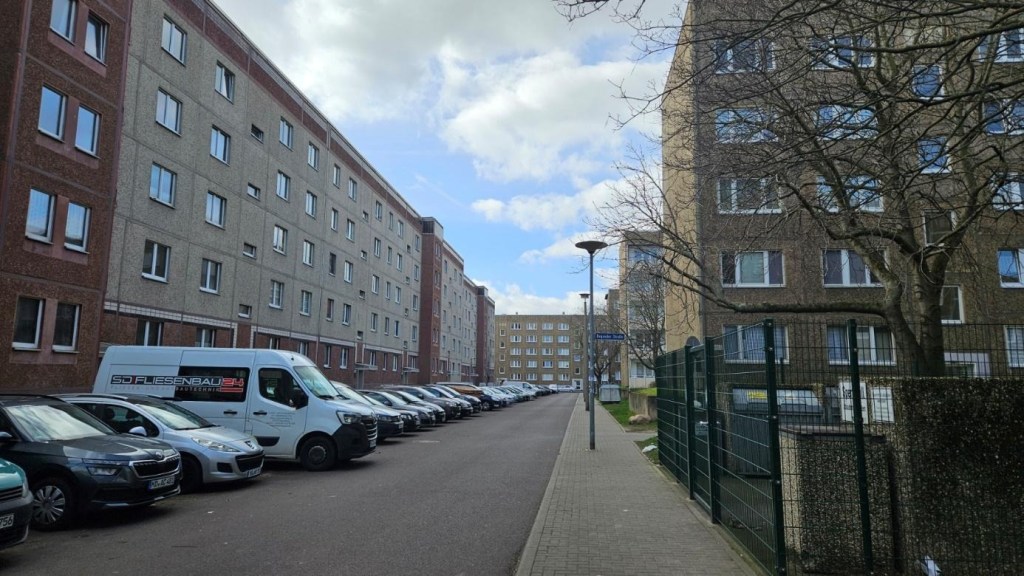
Figure 3: Walking the streets of Neue Neustadt, Magdeburg Neue Neustadt, 2024
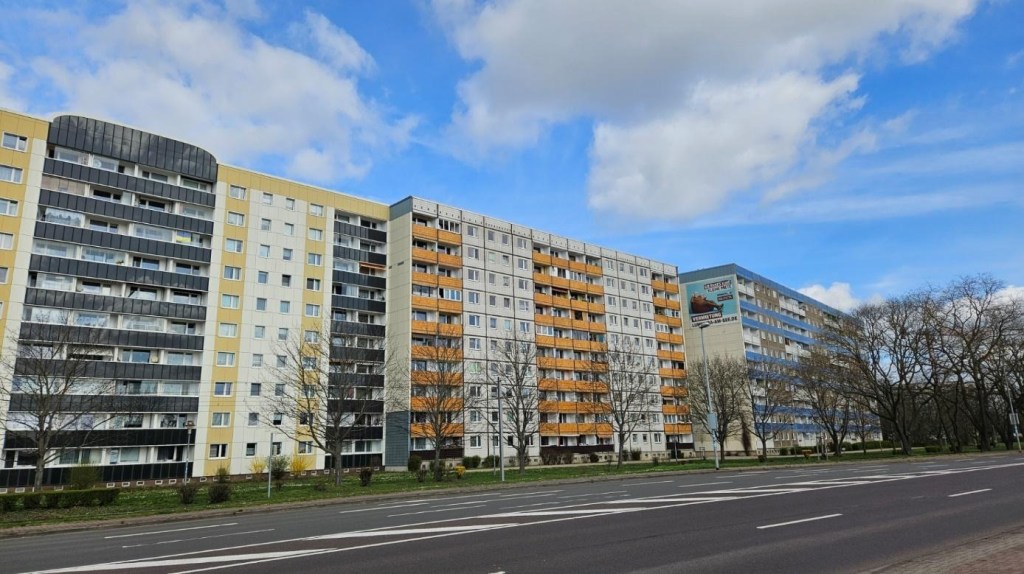
Figure 4: Side by side, Magdeburg Neue Neustadt, 2024
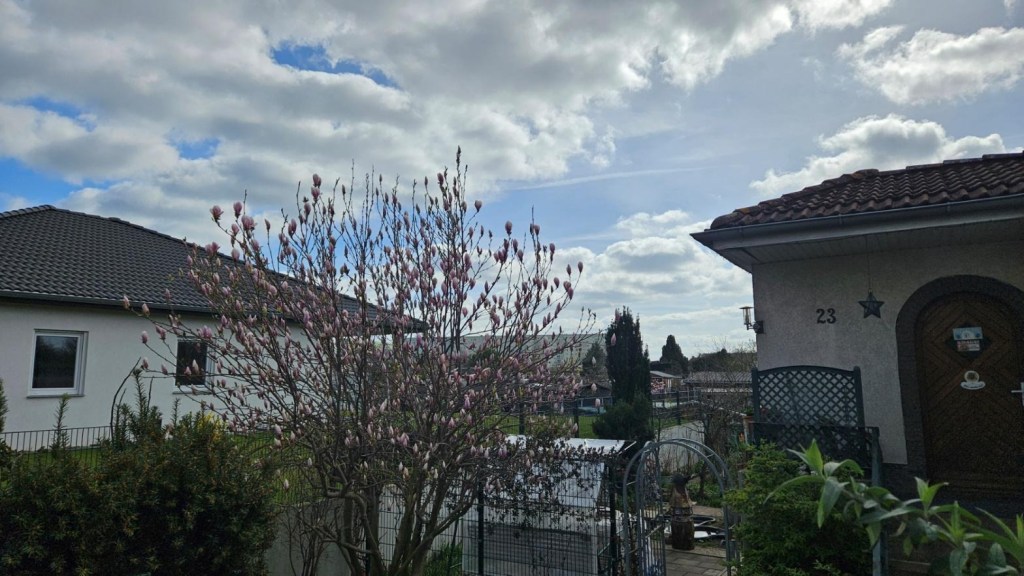
Figure 5: The view between houses, contrasting living realities in Magdeburg Neue Neustadt, 2024
PART II – THE DEPARTURE
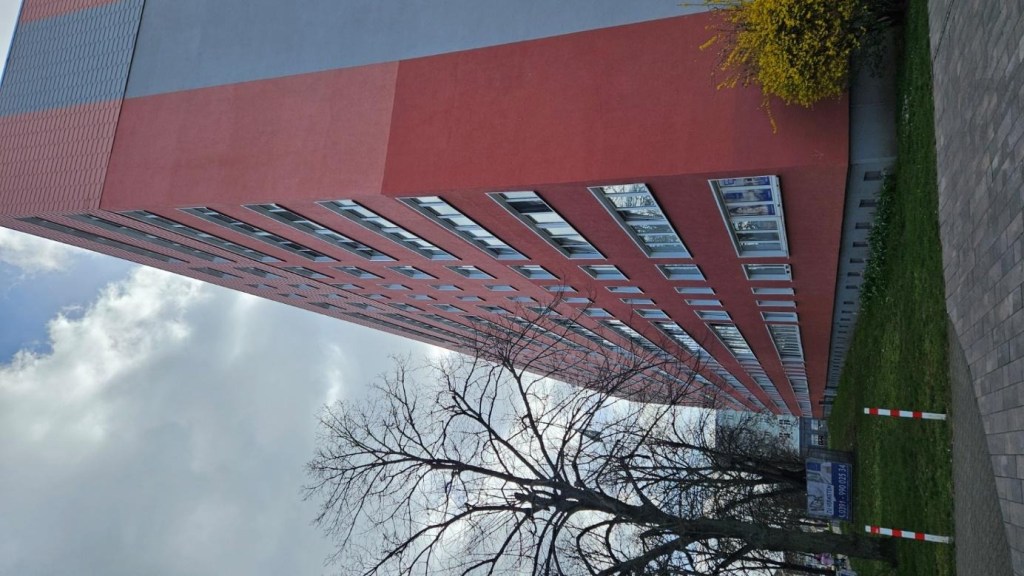
Figure 6: More color, more individuality?, Magdeburg Neue Neustadt, 2024
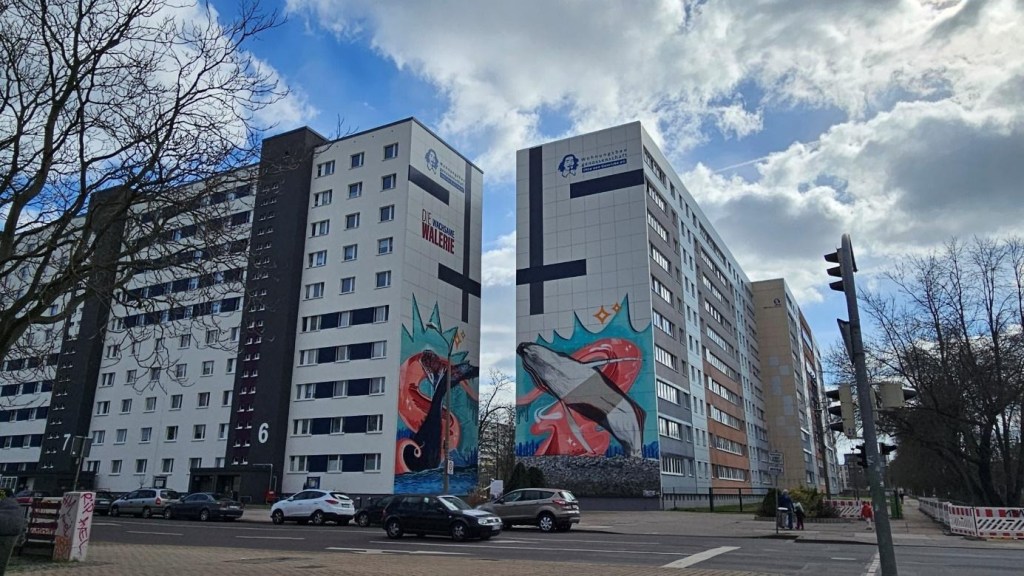
Figure 7: Painting the town, Magdeburg Neue Neustadt, 2024
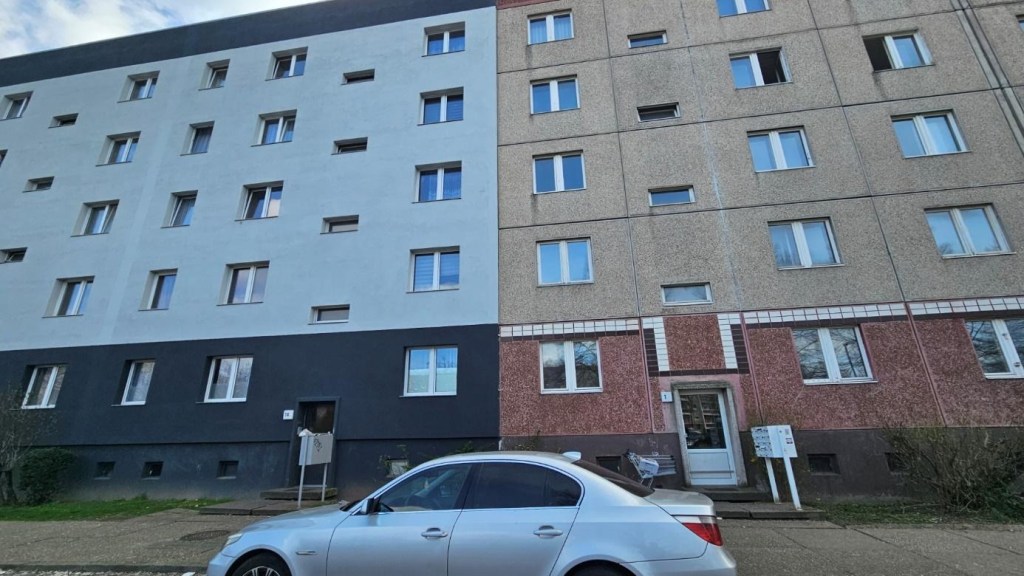
Figure 8: Same but different, Magdeburg Neue Neustadt, 2024
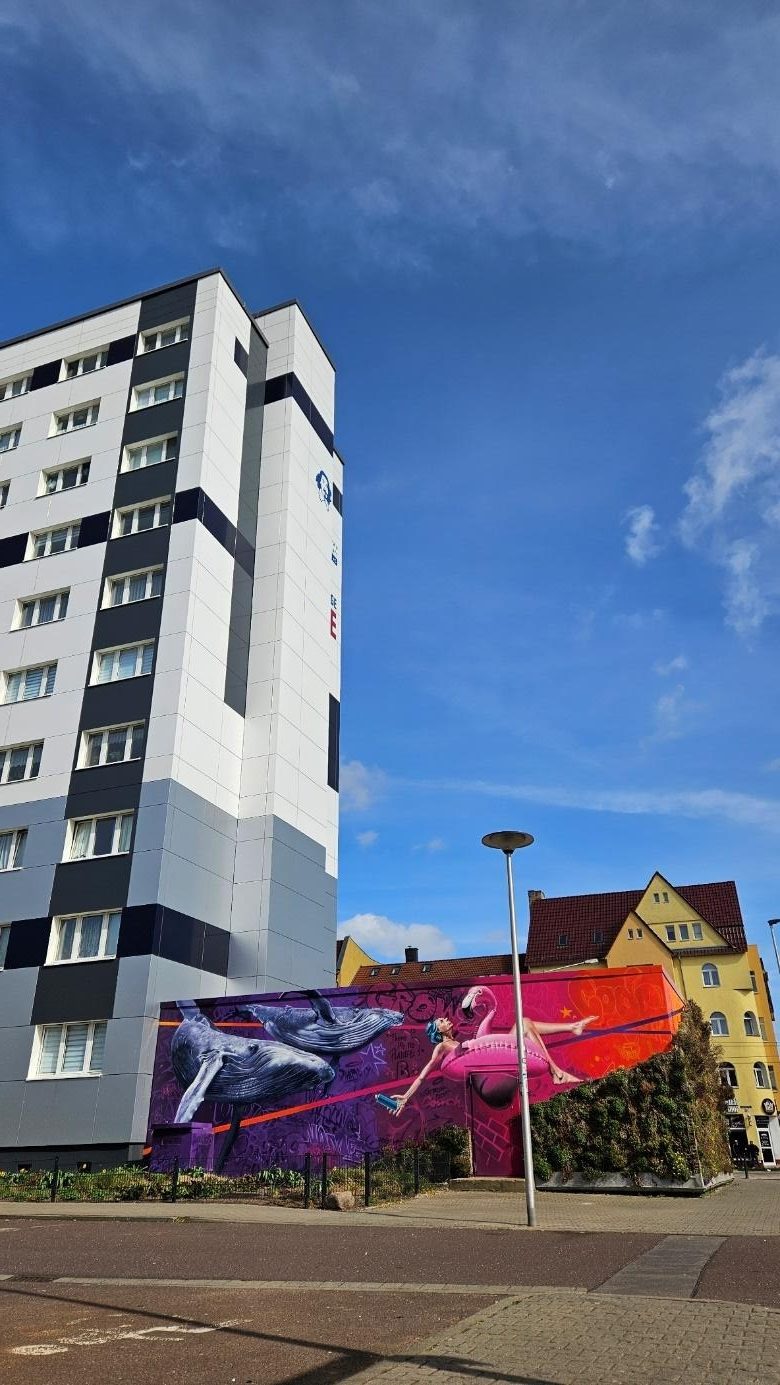
Figure 9: Attempts at new life, painted and planted facades, Magdeburg Neue Neustadt, 2024
References:
Barnstone, D. A. (2006). The Transparent State. Architecture and Politics in postwar Germany. Routledge.
Minkenberg, M. (2014). Power and Architecture. The Construction of Capitals, the Politics of Space, and the Space of Politics. In M. Minkenberg (Ed.), Power and Architecture. The Construction of Capitals and the Politics of Space (Vol. 12, pp. 1–30). Berghahn Books.
Richter, P. (2006). Der Plattenbau als Krisengebiet. Die architektonische und politische Transformation industriell errichteter Wohngebäude aus der DDR am Beispiel der Stadt Leinefelde [Doctoral dissertation]. University of Hamburg.
 pax
pax 
Leave a comment